People
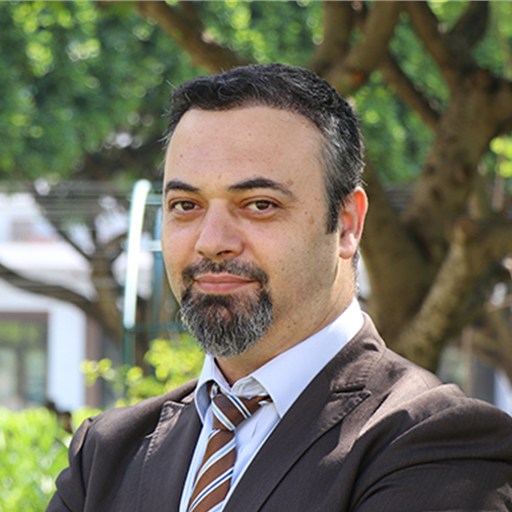
Dr. Seifedine N. Kadry is a Professor of Data Science and ABET Coordinator at the Lebanese American University. Having earned his Ph.D. from Blaise Pascal University and an HDR from Rouen University, he built a robust academic foundation across Europe and Lebanon. With over 400 publications, his research focuses on artificial intelligence, machine learning, and computer vision, often applying deep learning and IoT devices to improve medical imaging and disease detection. Beyond his extensive research, he serves as an international accreditation expert shaping technology education, consistently bridging computational mathematics with real-world engineering challenges.
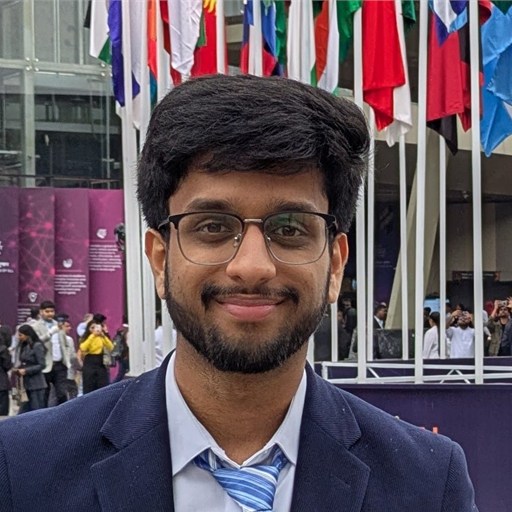
Sarthak Pandey is a researcher working at the intersection of Computer Vision, Mechanistic Interpretability, and AI. He is the founder of the Vision and Interpretability Labs (VAIL) and currently works on explainable computer vision at Carnegie Mellon University. His research has resulted in three accepted publications at ICML and ECCV, with five additional papers under review at venues including NeurIPS, EMNLP, IEEE Internet of Things Journal, and IEEE Transactions on Multimedia. His broader interests span VLMs, multimodal learning, agentic AI, and intelligent systems.
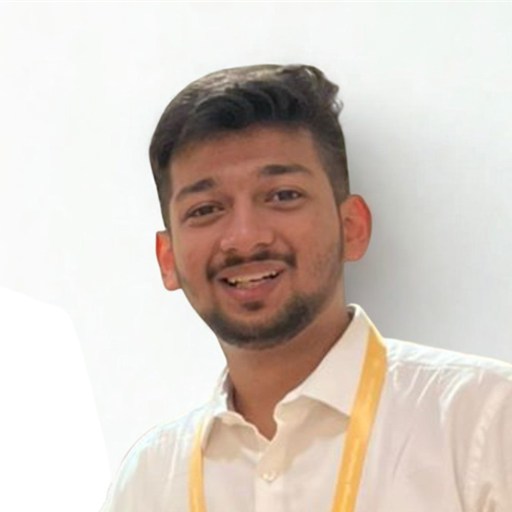
Taher Merchant is a researcher working across Information Retrieval, Knowledge Graphs, NLP, Multimodal AI, and Mechanistic Interpretability, with a particular interest in how AI systems retrieve, represent, and reason over structured and multimodal information. His research includes GraphRAG, agentic reasoning, knowledge representation, and interpretability of foundation models, with papers currently under review at AAAI 2027 and EMNLP 2026 workshops. Alongside research, he has worked at MIT CSAIL’s Kellis Lab on Mantis AI, building retrieval and knowledge systems, agentic workflows, and developer infrastructure for real-world AI applications.
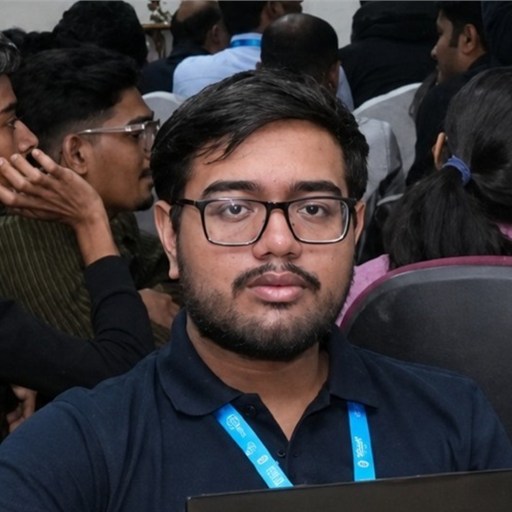
Shreshth Rai is a researcher focusing on Multimodal AI, Computer Vision, and Mechanistic Interpretability, with particular interest in how AI systems learn representations and reason across different modalities. His work has led to two papers accepted at ECCV 2026, and he has also developed industrial-level multimodal and agentic AI systems spanning vision-language models, audio-language models, retrieval-augmented generation, and multimodal reasoning. Alongside research, he is interested in building the systems and infrastructure that enable these models to be deployed effectively in real-world settings.
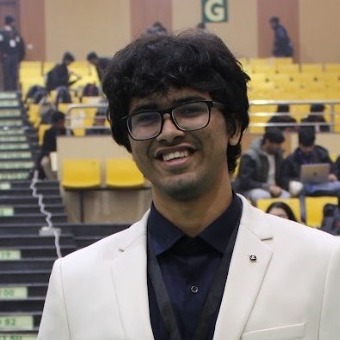
Ridhwan Deshwal is a researcher and engineer driven by a deep curiosity for understanding and building intelligent systems. His journey in technology has been shaped by an eagerness to continually explore new ideas, learn across disciplines, and pursue challenging questions in modern machine learning. His research interests span Representation Learning, AI Alignment, Mechanistic Interpretability, Knowledge Graphs, Self Supervised Learning, etc., with a broader curiosity around the foundations of deep learning and neural networks, particularly understanding from first principles how learning dynamics, internal representations, and emergent phenomena arise and evolve. He has been conducting research on these topics alongside professors and researchers at Carnegie Mellon University and the University of Southern California.
Researchers
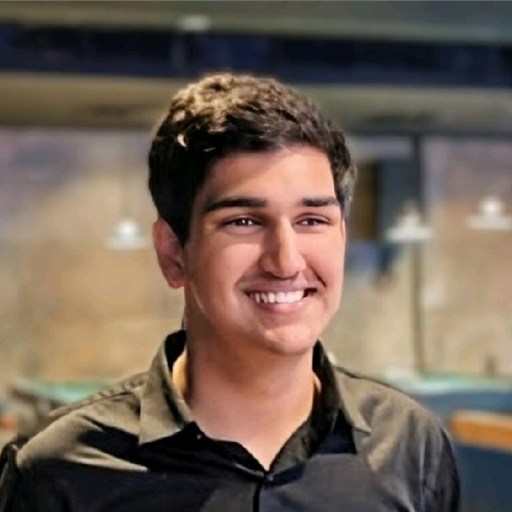
Aarush Mahajan
Researcher from Delhi Technological University with active research in Mechanistic Interpretability and LLM Safety Alignment
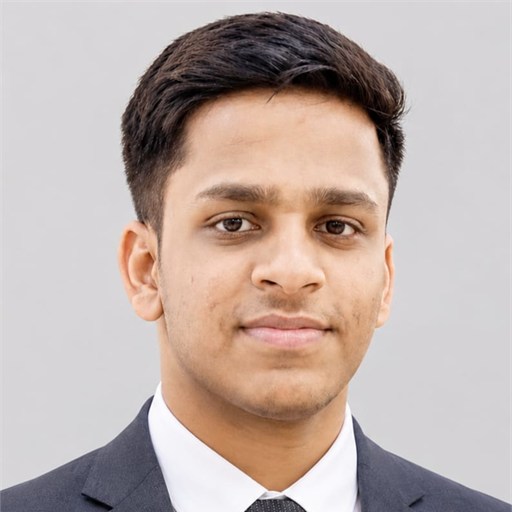
Rishi Garg
Researcher from Delhi Technological University with interests in Multimodal Representation Learning, Mechanistic Interpretability, and Computer Vision
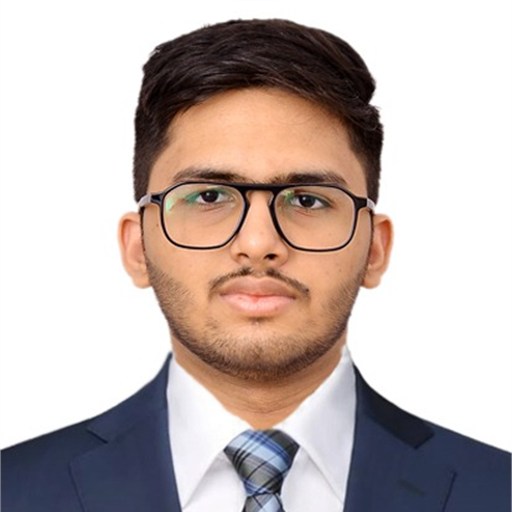
Abhinav Joshi
Researcher from Delhi Technological University with active research in Computer Vision and Mechanistic Interpretability
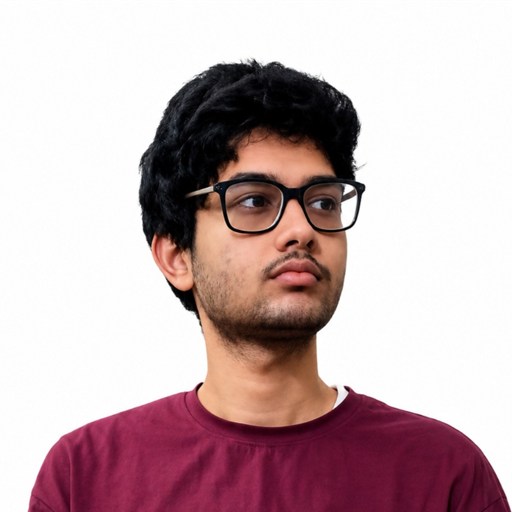
Siddharth Bharti
Researcher from Delhi Technological University interested in research on Computer Vision, Vision Language Models, and Image generation.
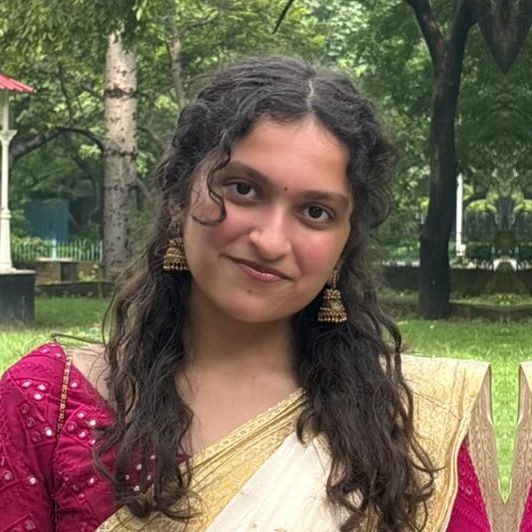
Mrudduni J Modha
Researcher from Delhi Technological University with interests in Computer Vision, AI for Good, and AI Safety